In a bold financial maneuver, Senator Cynthia Lummis has introduced a proposal aimed at funding a national Bitcoin reserve. This initiative seeks to leverage government gold assets, signaling a significant shift in the economic landscape. With Bitcoin now surpassing silver in market valuation, the implications for investors and the cryptocurrency market are profound.
Overview of the Proposed Bitcoin Reserve
Senator Lummis’s proposal, which arose during the Bitcoin 2024 conference, centers on the creation of a substantial Bitcoin reserve. The intent is to acquire one million Bitcoin, which would require selling a portion of the federal gold reserves. This initiative aims to accomplish several objectives, including reducing national debt and establishing Bitcoin as a viable alternative to traditional fiat currencies.
Lummis’s motivations are not merely ideological; they reflect a keen understanding of emerging financial trends. She claims that Bitcoin can serve as a hedge against inflation, providing a stable asset that counteracts the effects of extensive government spending and monetary policy decisions. Investing in Bitcoin allows the U.S. government to secure its financial future.
Analyzing the Gold-to-Bitcoin Strategy
The cornerstone of this strategy rests on selling gold assets to fund Bitcoin purchases. Currently, the U.S. Treasury holds approximately $11 billion in gold certificates, a figure that has remained unchanged since 1973. By today’s valuation, this gold reserve could exceed $675 billion. Through Bitcoin acquisition, the goal is to redefine the nature of national reserves.
Selling the gold and converting it to Bitcoin could neutralize the impact on the federal balance sheet. As Lummis noted in her remarks to Bloomberg, “We already have the financial assets in the form of gold certificates to convert to Bitcoin.” This presents a tactical approach in optimizing financial resources while fostering cryptocurrency investments.
Market Valuation and Economic Implications
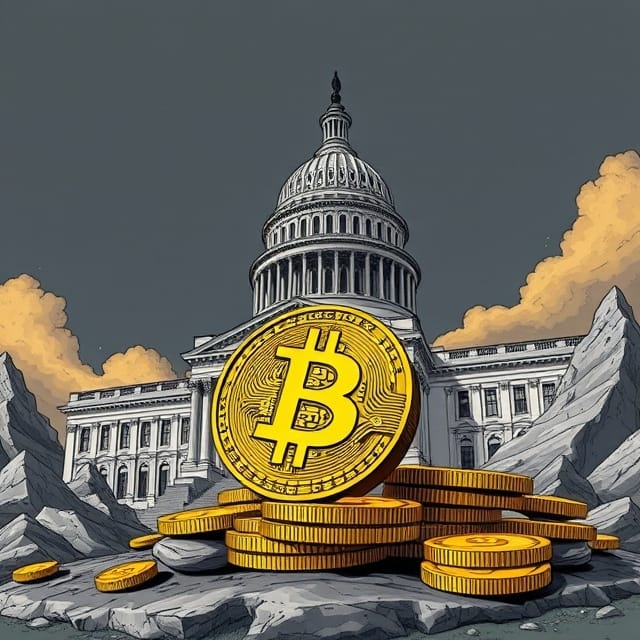
With Bitcoin’s recent rise to prominence, understanding its market dynamics becomes crucial. The proposed acquisition of one million Bitcoin over the next five years reflects an investment of approximately $90 billion at current prices. However, the anticipated influx of investors likely means this price will rise. The implications for government finances and market stability require careful consideration.
Furthermore, the establishment of a decentralized network of secure Bitcoin storage facilities would significantly enhance the security and reliability of this national reserve. Such infrastructure investments mirror those traditionally associated with physical asset management, demonstrating the ongoing evolution of financial strategies.
The Evolution of Trump’s Stance on Cryptocurrency
Former President Donald Trump’s relationship with cryptocurrency has been paradoxical. Initially dismissive of Bitcoin, labeling it a “scam,” he has since embraced its potential significance. As Trump gears up for another presidential campaign, his commitment to making America the “crypto capital of the world” reflects a broader transformation in his views.
This evolving position aligns with Lummis’s proposal, suggesting that the Trump administration might prioritize a pro-crypto agenda. By establishing a government-backed Bitcoin reserve, Trump seeks to assert American dominance in the digital currency realm while addressing the concerns of his supporters regarding national debt and economic stability.
Challenges and Considerations in Implementation
Despite the apparent benefits of establishing a Bitcoin reserve, several challenges must be navigated. Critics may argue that such a transition could expose the economy to increased volatility, particularly given Bitcoin’s notorious price fluctuations. Investors, officials, and policymakers will need to weigh the risks associated with digital assets against their potential rewards.
Additionally, the proposal’s execution requires cooperation from both political parties. Legislation that involves selling government assets typically sparks intense debate. Without a strategic consensus, the vision of a Bitcoin reserve may struggle to gain traction.
Conclusion: The Future of the Bitcoin Reserve

Senator Lummis’s proposal to fund a national Bitcoin reserve reflects the increasing legitimacy of cryptocurrencies in mainstream finance. By strategically leveraging existing gold assets, the U.S. could bolster its position in the rapidly evolving digital economy. This endeavor carries the potential for profound impacts on national fiscal policy, market stability, and America’s geopolitical standing.
As the discourse around cryptocurrencies continues to evolve, the Bitcoin Reserve proposal may well symbolize a tipping point. Whether this initiative proceeds remains uncertain, but its implications warrant close attention from investors and policymakers alike.