In an unexpected and pivotal development, President-elect Donald Trump’s nomination of Coinbase CEO Brian Armstrong as Secretary of the Treasury has captivated the financial community. This move reflects a significant shift towards integrating cryptocurrency into the U.S. economic framework. Understanding the implications of this choice provides insights into the potential transformation of U.S. economic policy.
Armstrong’s Vision for Digital Finance
Brian Armstrong stands out as a leading advocate for cryptocurrencies and blockchain technology. His tenure at Coinbase, a premier cryptocurrency exchange, illustrates his commitment to advancing digital finance. Should Armstrong occupy the Treasury position, his vision may drive clarity in regulatory frameworks governing digital assets. Such clarity is crucial for fostering growth and innovative practices within the cryptocurrency sector.
With Armstrong’s experience, the potential exists for a symbiotic relationship between traditional finance and newly emerging digital currencies. His appointment could herald a new era characterized by increased collaboration among financial institutions. The examination of these transformative factors reveals broader implications for economic policy.
A Shift Toward Clarity and Stability

Armstrong’s nomination not only signals the recognition of cryptocurrency’s importance but also highlights a necessary shift towards regulatory clarity. Current regulations often create uncertainties for investors and businesses involved in blockchain technology. Armstrong’s leadership could encourage the establishment of policies designed to promote stability while simultaneously supporting advancements in decentralized finance (DeFi).
In light of evolving technologies, achieving regulatory clarity remains paramount for several reasons. First, it could enhance investor confidence. When clear guidelines define what is permissible under U.S. law, market participants may feel empowered to engage more actively in digital asset investments. A stable regulatory environment may also deter illicit activities, thereby strengthening confidence in the integrity of the cryptocurrency sector.
Potential Economic Implications
Armstrong’s influence on economic policy could extend well beyond the cryptocurrency realm. His insights and strategies may foster collaboration between digital finance entities and traditional financial institutions. Notably, such collaboration might provide advantages for both investors and fintech developers, creating a robust ecosystem that thrives on innovation.
Moreover, the nomination raises expectations among stakeholders regarding the future of banking and payment systems in the U.S. Increased crypto adoption may lead to the emergence of new financial products designed for technology-savvy consumers. Innovations such as crypto credit cards or blockchain-based lending platforms may gain traction under Armstrong’s guidance.
Exploring Digital Asset Regulations
As the Treasury Secretary nominee, Armstrong’s regulatory focus will likely prioritize the establishment of frameworks that adequately address the nuances of digital finance. The U.S. has seen increasing scrutiny over cryptocurrencies, leading to calls for comprehensive regulatory approaches. Armstrong’s previous advocacy for balanced regulations suggests that he may aim to ensure both consumer protection and industry growth.
Given the rapid advancement of blockchain technologies, regulations must evolve in real-time. Implicit in Armstrong’s potential policies is an acknowledgment that static regulations can stifle innovation. Empowering developers to explore uncharted territories within the crypto space can yield groundbreaking technological advancements and new market opportunities.
The Legislative Landscape
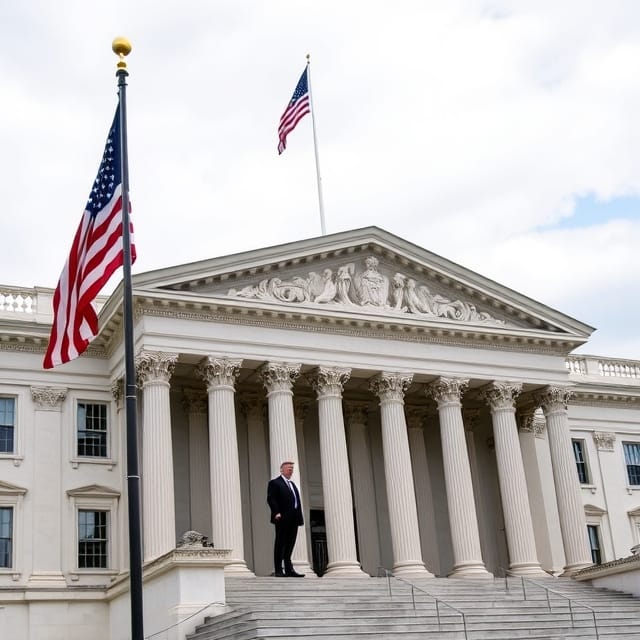
Armstrong’s nomination may provoke legislative discussions on cryptocurrency regulations. Collaboration between lawmakers and Treasury officials could result in comprehensive legislation tailored to the digital economy. This collaboration becomes vital, as regulatory misalignments can hinder industry growth. Consequently, Armstrong may prioritize building relationships with Congress to facilitate productive legislative dialogues.
Furthermore, establishing transparent communication channels between regulatory bodies and industry players may foster trust and confidence. Engaging industry leaders can provide lawmakers valuable insights into the practical implications of various regulatory frameworks. This engagement can also enhance stakeholders’ understanding of the complexities involved in crypto transactions and blockchain deployment.
International Perspectives
Armstrong’s appointment doesn’t only harbor domestic implications; it carries weight on an international scale. The global financial community is closely monitoring the U.S. stance on cryptocurrency regulations. As other nations navigate their own regulatory landscapes, Armstrong’s policies may establish trends that could influence international regulatory practices.
Countries that embrace cryptocurrency innovation may look to learn from the U.S. approach under Armstrong’s leadership. Conversely, nations that are more hesitant in their regulatory stance could find themselves at a competitive disadvantage. Thus, Armstrong’s influence could extend beyond U.S. borders, establishing the country as a leader in digital finance.
Assessing Risks and Challenges
While Armstrong’s nomination has elicited optimism, potential risks and challenges must be carefully evaluated. The tension between fostering innovation and ensuring adequate consumer protection remains critical. Should Armstrong fail to strike this balance, the consequences could include fostering an environment ripe for speculation and potential market downturns.
Additionally, the potential backlash from traditional financial institutions might create friction. Many in the banking sector view cryptocurrencies as competition, leading to concerns about market stability. Addressing these concerns will be essential in promoting a collaborative financial ecosystem.
Moreover, regulatory clarity must ensure that cryptocurrencies do not facilitate illicit activities. Armstrong’s policies will need to consider balancing accessibility with the need to uphold accountability. Consequently, transparency in regulations and enforcement mechanisms will be paramount.
Looking Ahead
Speculations surrounding Armstrong’s nomination have ignited debates regarding the future of cryptocurrency regulations in the U.S. With potential policies aiming to strengthen the intersection of traditional finance and digital economics, the nomination bodes well for innovators and investors alike. Armstrong stands at the precipice of making choices that could eventually redefine the financial landscape.
His vision for integrating digital assets into the U.S. economy could foster growth that embraces innovation while mitigating risks. The extent to which Armstrong can galvanize legislative support and build trust within financial institutions will play a significant role in shaping the outcome.
Conclusion
In conclusion, President-elect Trump’s nomination of Coinbase CEO Brian Armstrong as Treasury Secretary carries monumental ramifications. The potential for a transformative approach to cryptocurrency regulation highlights an opportunity for clarity, stability, and fostering innovative practices. For stakeholders in the financial and digital asset domains, Armstrong’s vision suggests a promising yet cautious path ahead.
Staying tuned to developments in Armstrong’s nomination and the policies he advocates will be necessary as they emerge. The anticipated changes create a compelling narrative of how digital finance might integrate into the broader economic landscape under his leadership.